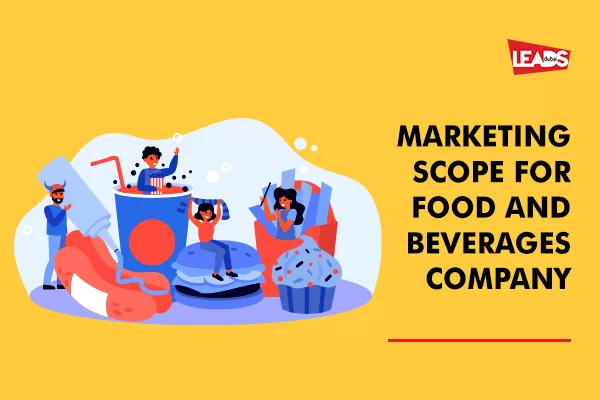
Food and beverages marketing in UAE.
Short answer: food and beverage marketing in Dubai works on strong visuals, a presence on delivery apps, Google Business Profile and local SEO, social and influencer content, reviews, and offers around UAE moments. Great photography and a smooth order path turn hungry searchers into customers.
The right channel depends on the sale you need. A neighbourhood restaurant may focus on Maps visibility, reviews and repeat orders. A packaged food brand may need retail distribution, sampling and creator content. A hotel venue may care more about reservations, events and high-value group bookings.
Start with these practical options:
- Influencer marketing
- Social media marketing
- Short videos of the restaurant and food
- Use short video on TikTok, YouTube Shorts, Instagram Stories and Snapchat
- Have events and launches for social events and celebrations
- Entertainment and music where they fit the venue and licence
- Google Maps locations and postings
- Content creation and distribution
- PR & activations
Brand identity
People should understand the offer before they read the full menu. Show the cuisine, price level, location and occasion clearly. A business-lunch venue in DIFC needs a different message from a family restaurant in Mirdif or a delivery kitchen serving several neighbourhoods.
Use the same name, colours, menu descriptions and photography across your website, Maps profile, delivery apps and social accounts. This reduces confusion when someone moves from discovery to booking or ordering.
Product differentiation
Give customers a specific reason to choose you. It may be a signature dish, dietary option, late-night delivery window, private dining room, office catering package or a location close to where they already work and shop.
Do not hide that difference inside a long About page. Put it in the page title, menu introduction, Business Profile description and campaign creative. Support it with real photographs and accurate details.
Market research
Start with your own evidence. Review order value, popular items, delivery areas, busy hours, repeat-order rate, reservation sources and the questions customers ask before visiting. Search data can then show how people describe the cuisine, neighbourhood and occasion.
Test one clear change at a time. For example, compare a lunch offer with an evening booking campaign, or compare delivery areas instead of combining all of Dubai into one audience.
Social media
Social content should help someone decide what to order or what the visit will feel like. Show the food being prepared, portion size, seating, access, views and the people behind the venue. Keep prices and availability accurate.
Choose creators by audience fit and local relevance, not follower count alone. Give each promotion a trackable booking link, code or landing page so you can separate attention from actual orders.
Sustainability
If sourcing, packaging or waste reduction is part of your customer promise, explain the practice in plain terms. State what you actually do and avoid broad environmental claims that cannot be checked. Operational detail is more credible than a green badge or a vague statement.
Track actions that connect to revenue: calls, direction requests, reservations, delivery orders, coupon redemptions and repeat purchases. Leads Dubai can help choose the channels, build the campaign and connect reporting to the outcome that matters. Call +971 50 304 7470 to discuss your restaurant or F&B marketing plan.