If you do Facebook marketing, you need to know how the algorithm decides what to show.
In short: Facebook scores every post it could show you and orders the feed by that score. It gathers the available posts, reads thousands of signals, predicts how likely you are to comment, share, watch or hide each one, then ranks them. Comments and shares count for far more than likes, video and Reels get the widest distribution, and a large share of the feed now comes from accounts you do not follow. Organic reach for Pages is small, so the posts that still travel are the ones that start a real conversation.
Below is how the ranking actually works, what lifts a post, what quietly kills it, and what to do differently on your own Page.
How Facebook decides what to show
Meta publishes how this works, and it is less mysterious than most people assume. Every time someone opens the app, their feed is built in four steps:
- Inventory. Everything that person could possibly see: posts from friends, Pages they follow and Groups they joined, minus anything that breaks Community Standards.
- Signals. Thousands of data points about the person and the post. What they have liked and commented on, how long they watched, who posted it, what kind of content it is, and how that poster has behaved in the past.
- Predictions. Machine learning models estimate how likely that person is to comment, share, watch to the end, or hide it. Meta also predicts whether a post is problematic and should be shown to fewer people.
- Relevance score. Every post gets a score, the feed is ordered by it, and the mix is varied so nobody gets ten of the same thing in a row.
Recommended posts from accounts the person does not follow are slotted in among those, and ads after that.
The practical version: you are not competing for a slot in your followers’ feeds. You are competing on a predicted score against everything else that person could be shown, including strangers.
The shift that matters most right now
For years, reach followed your follower count. That link has weakened. A large and growing share of what people see now comes from accounts they never followed, picked by Meta’s recommendation systems rather than by who they know.
For a small Dubai business this cuts both ways. A Page with 400 followers can now reach thousands if a post performs, which was close to impossible a few years ago. But a Page with 40,000 followers no longer earns reach simply for having them. The content has to earn it every time.
Meta has also added a Friends tab that shows only posts from friends, with no recommendations at all. Anyone who wants the old feed can go and find it, which quietly splits your audience between the two.
What the algorithm rewards
- Comments and replies, especially long ones. The strongest single signal. One real conversation beats a hundred passive scrolls.
- Shares, particularly shares that start more conversation.
- Saves. A save says the post was worth coming back to.
- Watch time and replays. Someone finishing a video, or watching it twice, counts for far more than a view.
- Original content. Something made for the platform is worth more than recycled material.
- Timing. Posting while a topic is live carries more weight than posting about it three days later.
- A history of interaction. When someone engages with you regularly, your posts keep surfacing for them.
What gets your reach cut
- Engagement bait. “Tag a friend”, “comment YES below”, “like if you agree”. Demoted on purpose, so it costs you reach rather than winning it.
- Clickbait and misleading headlines.
- Posts people hide, snooze, unfollow or report. Meta predicts those reactions and reduces distribution before they even happen.
- Anything that reads like an ad you did not pay for. Straight promotion, contest pushes, or reusing the same copy as your ads.
- Links nobody engages with. A link people tap and bounce straight off is a poor signal.
- Unlabelled AI content. Meta requires photorealistic AI-generated image, video and audio to be labelled. Passing AI work off as real risks a label you did not choose, plus a credibility problem with your audience.
Reels still get the most room
Video, and Reels in particular, get the widest distribution on Facebook, which is why they are worth the production effort even for a service business. What the ranking looks at is not views but whether people finish and rewatch. A short clip someone watches twice does more for you than a long one they abandon after four seconds.
Keep it short enough to complete, put the point in the first second or two, and make sure it works with the sound off, because plenty of people scroll muted.
Organic reach is tiny now, so interaction is everything
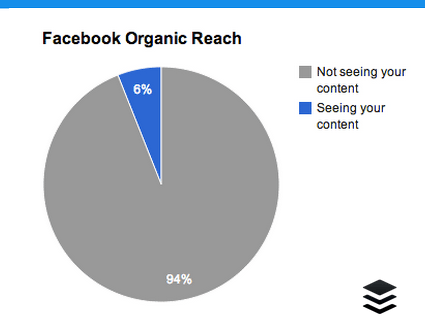
Organic reach on Facebook has collapsed. On many Pages only about 6% of your followers ever see a post, and the rest never reaches the feed. That is why the algorithm, not your posting schedule, decides who sees you.
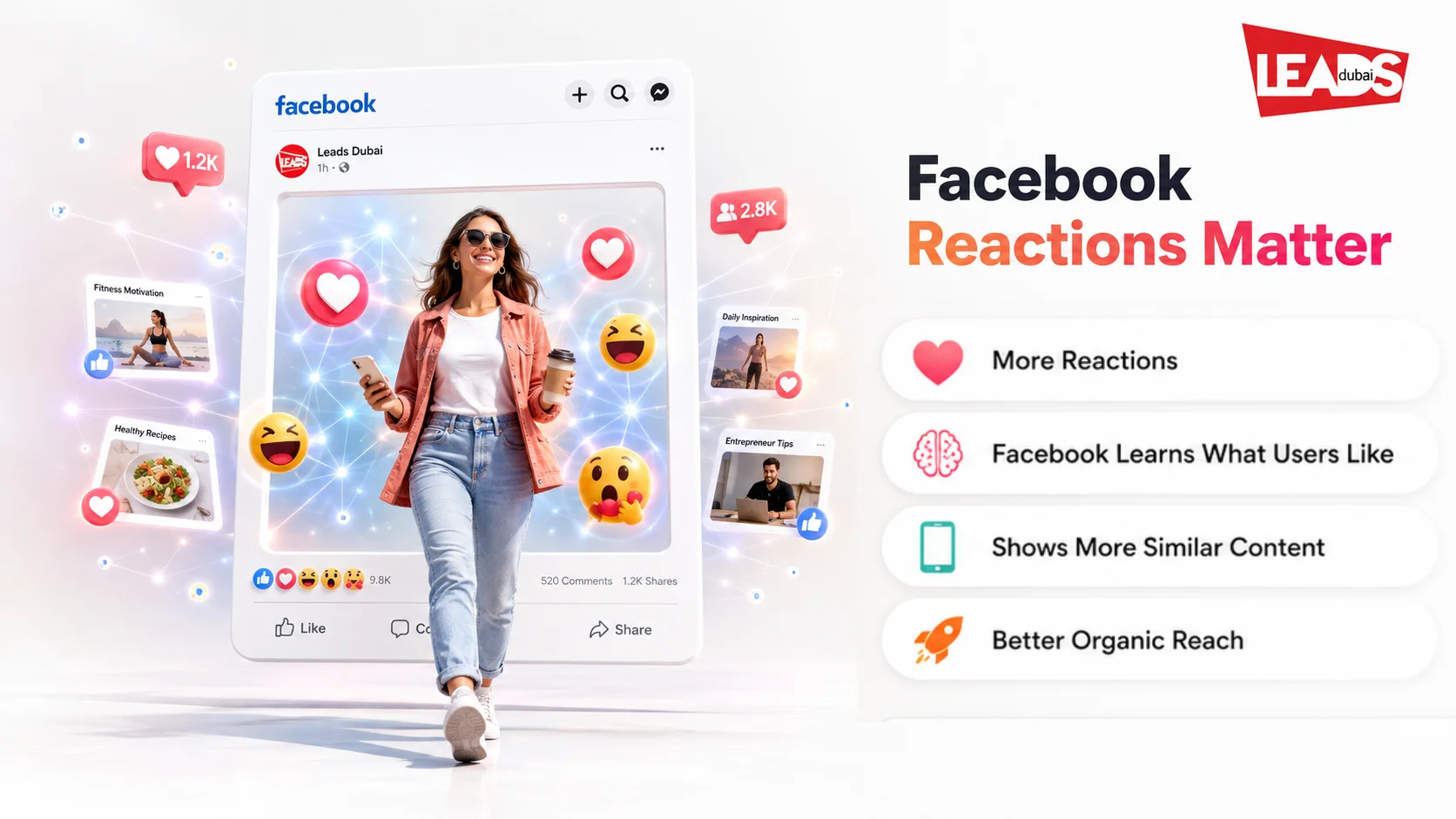
What tips the algorithm in your favour is meaningful interaction. It weighs active signals far above passive ones:
- Active signals (these help you most): comments, shares and reactions.
- Passive signals (these count for little): clicks, views and scrolling past.
So a post that earns a real reply or a share beats one people glance at and forget.
How we got here
If you want one moment to blame for the collapse in Page reach, it is January 2018, when Facebook announced it wanted to “bring people closer together” and rebuilt the feed around meaningful social interactions. What it meant in practice:
- Fewer posts from Pages, more from friends and family.
- Long comments and replies weighted far above a passing like.
- Pages earning mostly passive engagement pushed further down.
- Engagement bait, the “tag a friend” and “comment YES below” posts, actively demoted.
- Live video, Groups and Messenger conversations given more room.
Every ranking change since has pulled in the same direction, which is why chasing reactions no longer works and starting conversations does. Meta reaches 9.70 million people in the UAE on Facebook, about 85 percent of the population, so the audience is still there. Getting to it organically is simply much harder than it was.
What that means for how you post
- Stop posting ten times a day. Volume does not buy reach and it splits engagement across posts that each end up weaker.
- Post when your followers are actually online. Your Page insights show this. It costs nothing and it changes results.
- Reposting good content is fine. With most followers never seeing a given post, running your best content again reaches a different group rather than annoying the same one.
- Write posts that deserve a reply. Ask something real. A long comment is worth far more to the algorithm than a hundred passive scrolls.
- Never use engagement bait. Asking for likes and tags is demoted on purpose, so it costs you reach rather than winning it.
What to actually do about it
None of the above is worth much without a routine, so here is the short version we give clients:
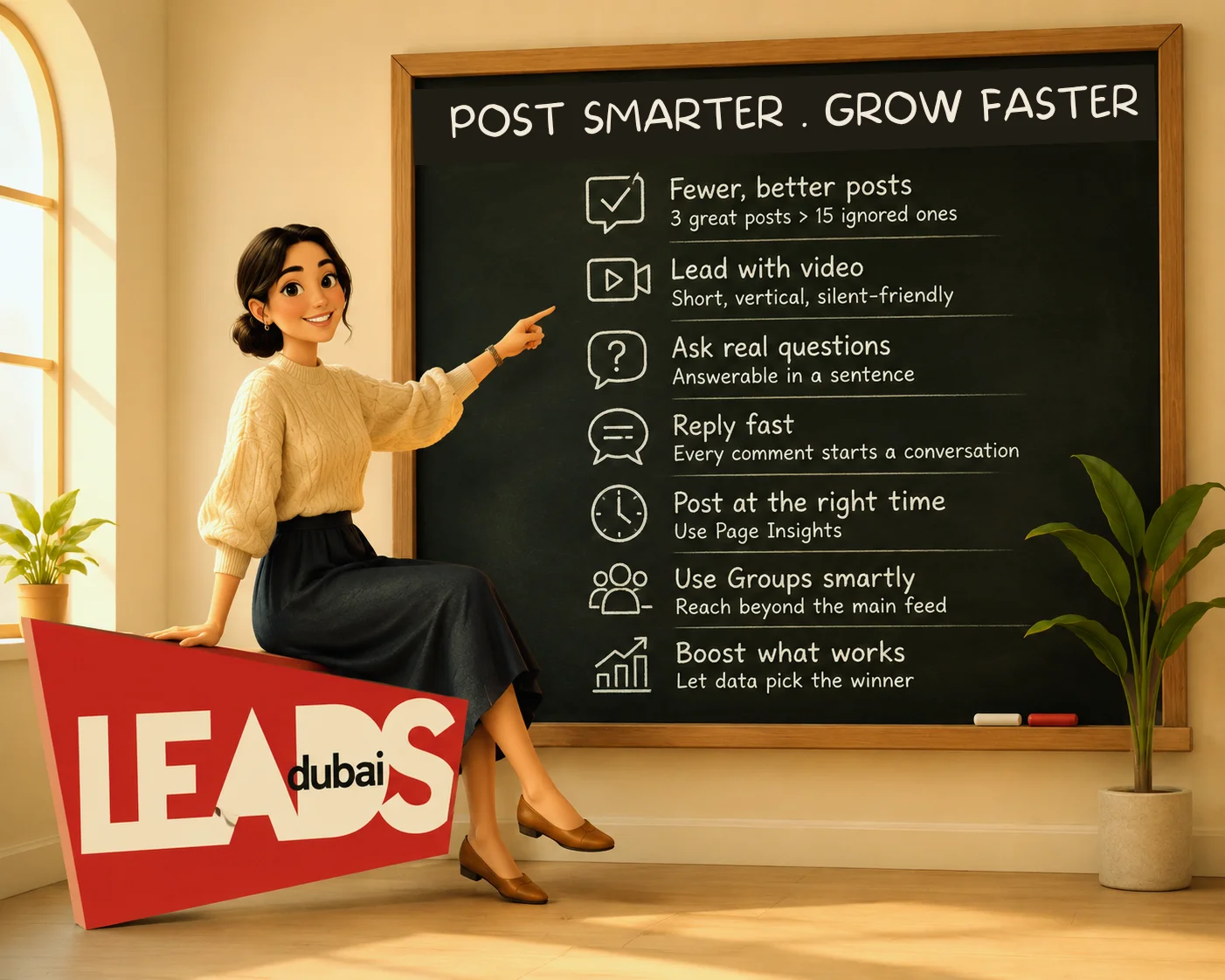
- Make fewer, better posts. Three posts a week that earn comments beat fifteen that nobody answers.
- Lead with video. Short, vertical, point made immediately, readable with the sound off.
- Ask something people can answer in a sentence. Not “thoughts?”, but a real question about a real decision they face.
- Reply to every comment, fast. Your reply is itself a comment, and it pulls the original commenter back for another look.
- Post when your followers are online. Page insights tells you. It is free and it moves the number.
- Use Groups where it fits. Group posts still reach people the main feed will not give you.
- Put money behind the posts that already worked. Let the algorithm pick the winner organically, then pay to widen the ones it chose.
That last point is the one most businesses get backwards. Boosting a post that earned nothing organically just buys reach for something people already ignored. Treat organic and paid as one system: strong organic content lowers what your paid reach costs.
If you would rather not run this yourself, that is what our social media marketing service does, and our Facebook advertising strategy guide covers the paid side in full.
Leads Dubai is a Lead Generation Company and we offer Social Media Marketing. Regular and consistent posting and optimization of your digital marketing will help in the long run. This space is always changing. Contact us if you want us to have it all done for you, including Facebook ads and Instagram advertising
Facebook post algorithm: common questions
In four steps. First it gathers the inventory of posts you could see, from friends, Pages you follow and Groups you joined. Then it reads thousands of signals about you and each post. Then machine learning models predict how likely you are to comment, share, watch to the end or hide it, and whether the post should have its distribution reduced. Finally each post gets a relevance score and the feed is ordered by it, with the content types mixed so you do not see ten similar posts in a row. Recommended posts from accounts you do not follow are then slotted in, and ads after that.
Less than you used to. A large and growing share of what people see comes from accounts they never followed, chosen by Meta's recommendation systems rather than the follow graph. A Page with 400 followers can now reach thousands if a post performs. The flip side is that a big follower count no longer earns reach on its own, so the content has to work every single time.
Not for using AI, but Meta requires photorealistic AI-generated images, video and audio to be labelled. If you publish AI work as though it were real, you risk a label you did not choose and a credibility problem with your audience. Using AI to help draft or edit a post is fine. Passing off synthetic media as genuine is the part that causes trouble.
It scores every post it could show a person and orders the feed by that score. The biggest signals are meaningful interactions like comments and shares, the relationship with the poster, the content type (video and Reels get the widest distribution), recency, and how long people spend on similar content. Meta also predicts whether someone will hide, snooze or unfollow a post and reduces its distribution ahead of time.
Post consistently, create content that sparks genuine conversation, use video and Reels, ask questions and reply to comments quickly, and post when your audience is active. Build a community rather than chasing followers. Because organic reach has declined, most pages now pair strong organic content with paid amplification.
Organic reach has fallen across the platform as more content competes for limited feed space and Facebook favours meaningful interactions and video. Low-engagement or salesy posts get shown to fewer people. The fix is better, more engaging content plus some paid reach for anything important.
They are similar. Both prioritise engagement signals, relationship strength, recency and time spent viewing. Instagram leans harder into Reels and content-type preferences. The same habits, engaging content, video, and quick replies, help on both.
On many Pages only about 6 percent of your followers see any given post organically, and the rest never reaches the feed. Because reach is that low, the algorithm rewards meaningful interaction: comments, shares and reactions carry far more weight than passive clicks or views, so content that starts a real conversation reaches more people. Most Pages now pair strong organic content with some paid reach for anything important.
The turning point was January 2018, when Facebook rebuilt the news feed around meaningful social interactions. Posts from friends and family were prioritised over Pages, long comments and replies were weighted above passing likes, Pages earning mostly passive engagement were pushed down, and engagement bait was demoted. Every ranking change since has pulled the same way, which is why conversation now earns reach and volume does not.
Fewer times than most people assume. Posting ten times a day does not buy reach, it just splits engagement across weaker posts. Post when your followers are online, which your Page insights will show you, and put the effort into posts that deserve a reply. Reposting your best content is fine, because most followers never saw it the first time. Avoid asking for likes and tags, since engagement bait is demoted on purpose.