Part of our complete guide to email marketing strategies.
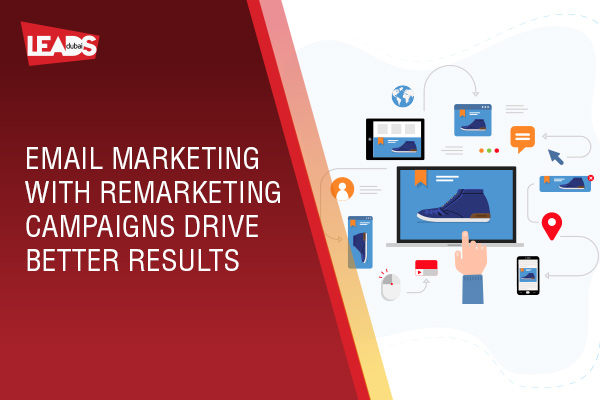
Email and remarketing can support the same campaign, but they do different jobs. Email speaks to people who have agreed to hear from you. Remarketing uses eligible website activity or first-party customer data to build an advertising audience.
Introducing remarketing campaigns for email marketing
Short answer: use email to explain the offer and remarketing to remind eligible visitors who did not complete the next step. Keep the message consistent, exclude people who already converted and measure each channel separately. The combination can improve coverage, but the result depends on consent, audience size, creative and the offer.
A practical campaign flow
- Send an email to a permission-based segment with one clear offer.
- Use tagged links so analytics can identify visits from that email.
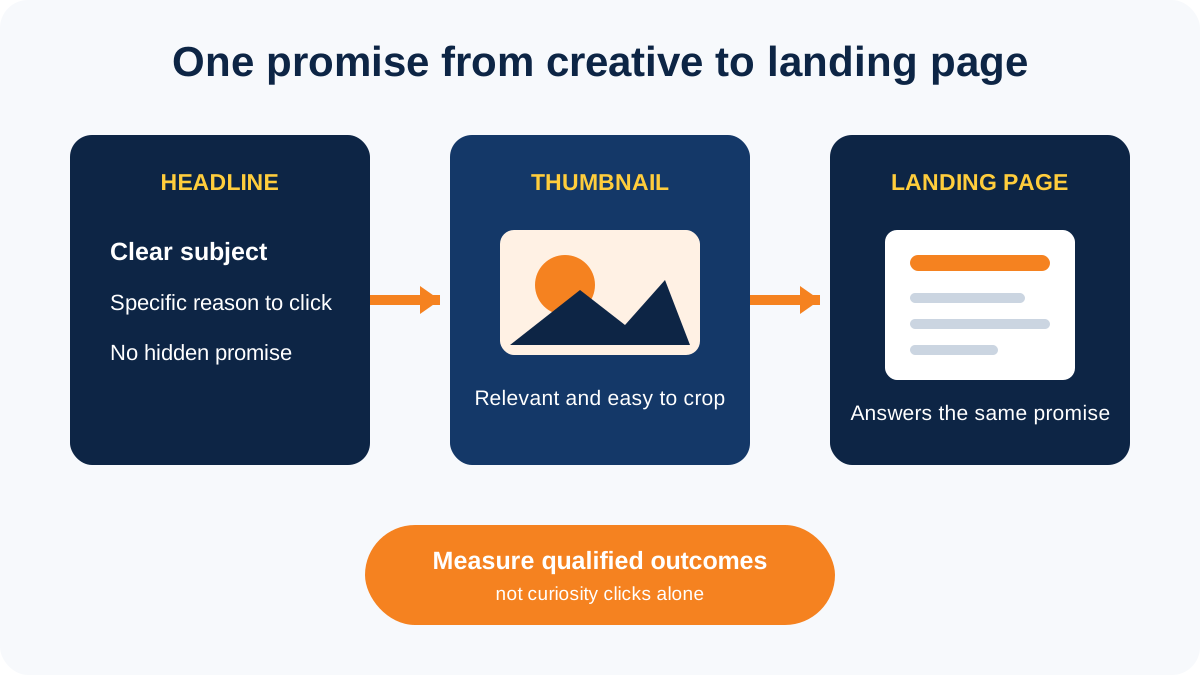
- Build an audience of eligible visitors who reached the landing page but did not submit, call or buy.
- Show that audience a related ad with a useful reminder, proof point or objection answer.
- Exclude recent converters so the campaign does not waste money or annoy customers.
| Campaign job | Remarketing ads | |
|---|---|---|
| Audience | Opted-in subscribers and customers | Eligible site visitors or matched first-party audiences |
| Best use | Explain the offer in detail | Provide a short reminder or proof point |
| Measurement | Clicks, conversions and revenue | Incremental conversions, assisted conversions and cost |
| Control | Frequency set by the send plan | Frequency controlled in the ad platform where available |
Verdict: Use email for the fuller message and remarketing for a focused follow-up. Both should lead to the same relevant landing page.
Customer lists require first-party data
Google Customer Match permits data collected directly from customers, such as website registrations, purchases and loyalty sign-ups. A bought or borrowed database is not a suitable shortcut. Your privacy notice must explain relevant data sharing, and consent is required where law or platform policy calls for it.
Customer Match access and audience use also depend on account eligibility, policy history and list size. Treat a customer upload as a governed data process, not simply a spreadsheet task. See our guide to using an email database with Customer Match.
Measure the combination without double counting
Do not assume every person who saw both messages converted because of both. Use consistent campaign names and UTMs, record the final action in analytics, and compare results with a period or audience that did not receive the remarketing layer where practical.
Open rates are useful for spotting broad changes, but privacy features can inflate them. Give more weight to clicks, qualified enquiries, sales and unsubscribes. If the landing page is weak, adding another channel will not fix it.
For help planning the audience, tracking and landing page as one campaign, speak with Leads Dubai.