Outdoor and billboard advertising in Dubai, UAE
Bridge banners, lamp posts, unipoles, wall banners, scaffoldings, taxi ads and more. Compare available locations, production requirements, approval responsibilities and current rates before booking.
Compare formats, locations and costs
How much does billboard advertising in Dubai cost?
Short answer: Billboard advertising in Dubai is priced by road, format, viewing direction, size and booking period. Premium highway sites can cost far more than community placements. Share your preferred areas, dates and budget, and we will return currently available locations with site photos and an itemised quote.
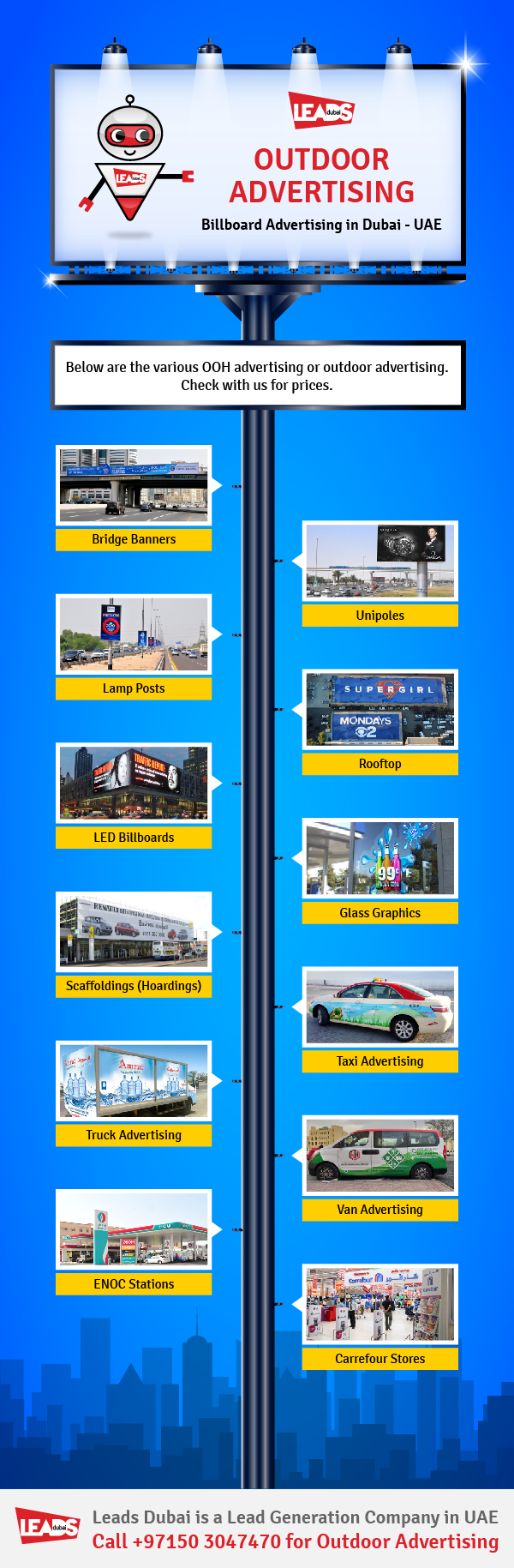
Outdoor advertising includes bridge banners, lamp posts, unipoles, wall displays, building wraps, taxis and digital screens. The guide below compares the common formats we book in Dubai and across the UAE. Rates are indicative because inventory and approval conditions change. You can also browse current outdoor advertising inventory before requesting a shortlist.
OOH formats we plan & book
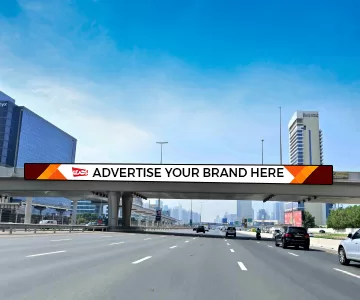
Bridge banners
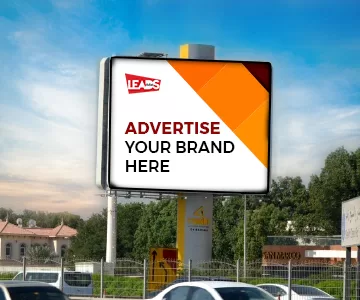
Unipoles
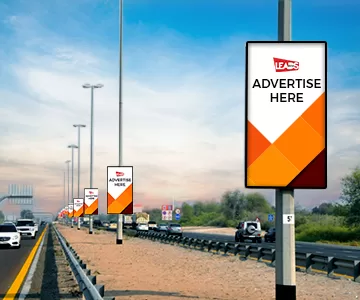
Lamp posts
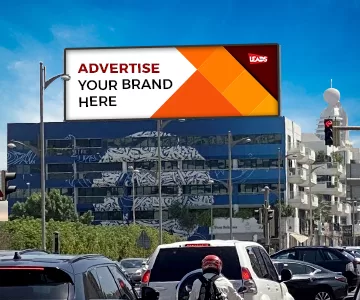
Roof tops
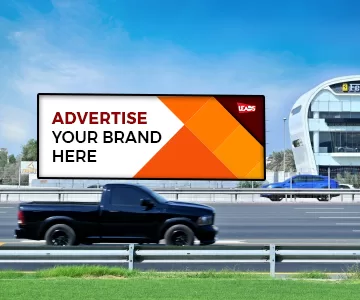
LED billboards
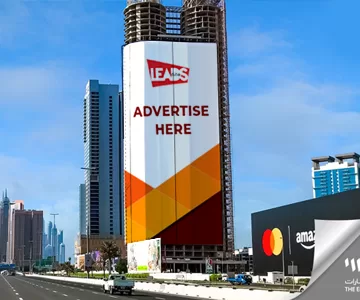
Glass graphics
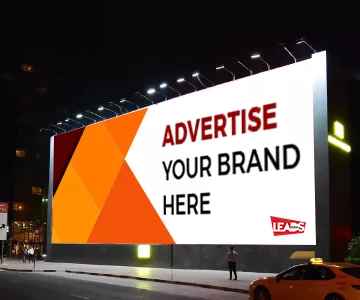
Scaffoldings (hoardings)
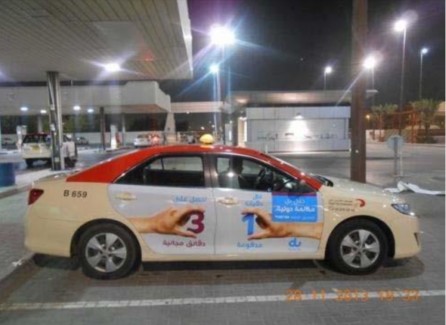
Taxi advertising
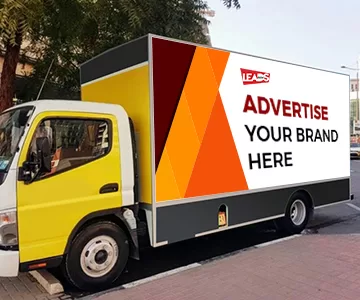
Truck advertising
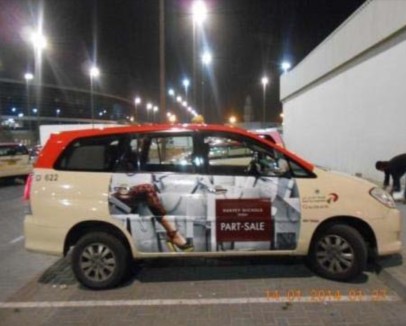
Van advertising
Leads Dubai does not own outdoor locations. We help compare available formats and request current quotations from the relevant media owners. The final cost depends on the exact site, direction, size, production, approvals and booking period. Use a campaign-specific QR code, landing page, offer code or phone number when a direct response needs to be measured.
How to choose and measure outdoor advertising
Start with the journey, not the biggest billboard. Decide who should see the campaign, where those people travel and how long they can view the message. A roadside board may have only a few seconds to work. A mall, airport or waiting-area placement can carry more detail.
Use these checks before you book
- Audience and route: choose roads, transport links or venues your intended customers actually use.
- Viewing conditions: check the approach direction, distance, traffic speed, lighting and anything that blocks the site.
- Readable creative: use one main message, large type and a response route people can remember.
- Full cost: separate the media fee from production, installation, removal, approvals and taxes.
- Proof and measurement: agree on posting photos or screen logs, then use a dedicated URL, QR code, offer code or phone number where suitable.
Opportunity-to-see figures can help compare two sites, but they are estimates, not a promise that every passer-by noticed the ad. For a fair review, monitor delivery evidence, branded search, direct visits and qualified enquiries during the same campaign dates.
Wall-mounted backlit advertising or an LED screen?
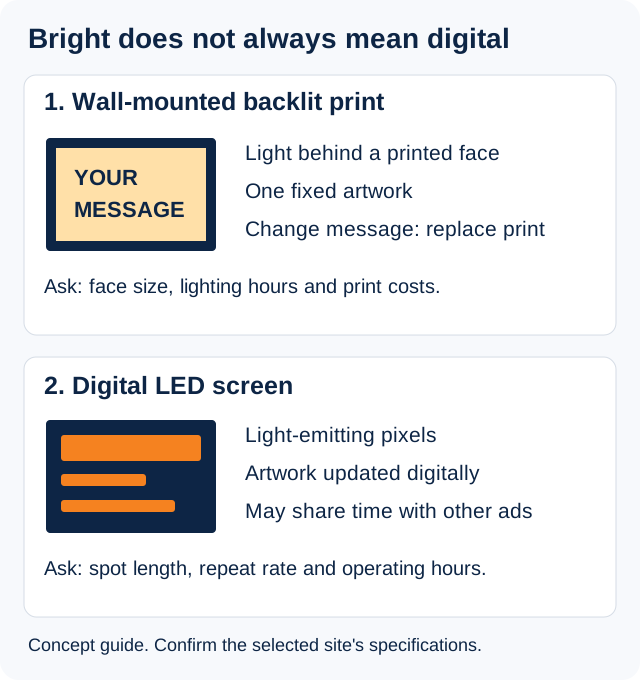
A backlit wall display uses a printed advertising face with lighting behind it. The message stays the same until the print is replaced. An LED screen creates the image electronically, so artwork can be updated without replacing a printed sheet. Both can look bright at night, but you are buying different formats.
Which suits your campaign?
A printed backlit site can suit a brand message that stays consistent throughout the booking. If you need to change offers during the campaign, ask about outdoor LED screen advertising. Digital sites may share a loop with other advertisers, so confirm your spot length, repeat frequency and operating hours. Do not assume animation is permitted at every location.
What should the quote include?
For a backlit wall, ask for the exact face size, approach photos, lighting hours, booking period and an itemised production quote. Confirm printing, installation, removal and approval responsibilities. Request a recent night photo as well as a daylight view. A bright display still needs a clear sightline.
Send your preferred area, dates and budget. We can check suitable supplier options and specifications before you commission artwork. Availability and approval depend on the selected site.
Advertising on glass building facades
Glass-facade graphics use printed film on approved glazed surfaces. From outside, the artwork can read as a large image across several window panels. Window frames and gaps break up that image, so keep the message short and check the layout against the actual building elevations.
This is not the same installation as a construction wrap. An occupied building needs checks for the glass specification, daylight, outward views, access and safe removal. The location owner determines the permitted material specification with the relevant approvals; the advertiser should not select film independently.
See our illustrated guide to glass graphics and building wraps before choosing a surface. Send us a building photo or target area and campaign dates so we can check suitability, rather than quote against an assumed material.
Outdoor advertising with other marketing
Outdoor advertising can work alongside social media ads, radio ads, YouTube ads, metro advertising and newspaper ads. For a deeper look, see our guides on 11 outdoor advertising options in the UAE and billboard advertising in Dubai. Keep the message and offer consistent across the channels, then compare response during the same campaign dates. Talk to us about your outdoor advertising requirement in Dubai or elsewhere in the UAE. We can request a current media shortlist for your audience, dates and budget. Call or email us on leads@leadsdubai.com or +971 4 338 6940.
See outdoor advertising in action
Plan an outdoor advertising campaign in Dubai and the UAE
Share your locations, dates, format and budget for a current shortlist.
Call +971 4 338 6940
Outdoor advertising: case study deck
Outdoor advertising in Dubai | Outdoor advertising Case Study from leadsdubai
Outdoor advertising formats, at a glance
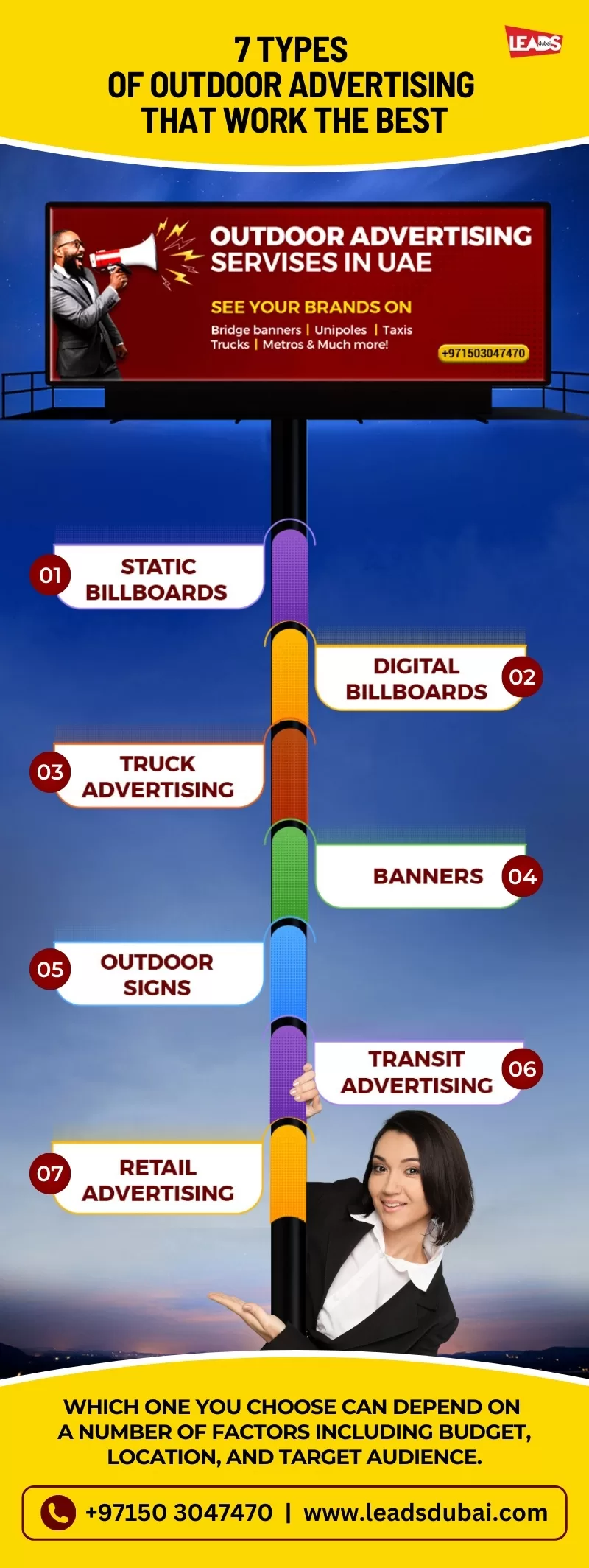
Two quick visual guides to common outdoor formats in the UAE.
FAQ
Plan your Outdoor Campaign
Share your brand, target audience and budget. We will come back within 24 hours with site recommendations, creative direction and a costed plan.
- Billboards, hoardings, building wraps
- GPS-tracked installation reports
- English + Arabic creative
- 14+ years of UAE OOH expertise
Latest blogs about outdoor advertising
Practical reading on planning, buying and measuring outdoor campaigns in the UAE.
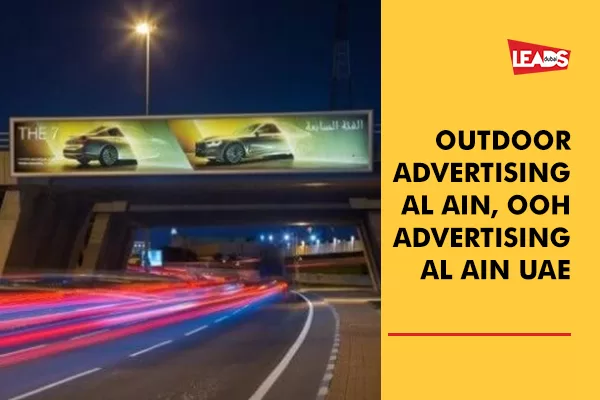
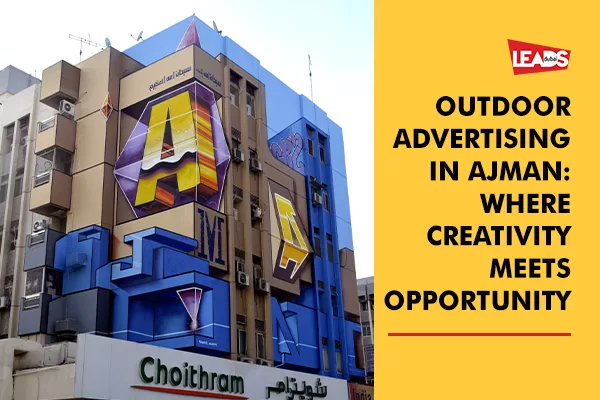
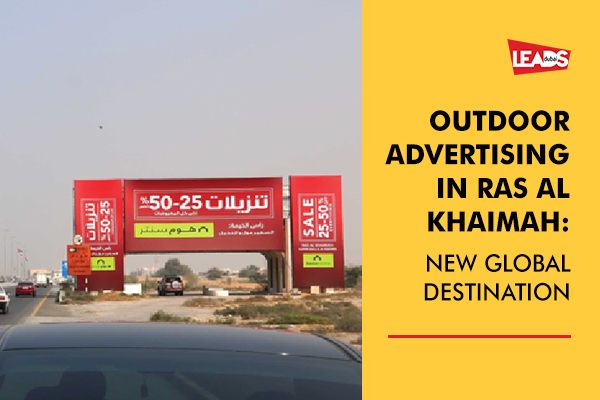
Outdoor & OOH
Billboards, transit, malls and street formats across the UAE.