What programmatic advertising means for a Dubai business
Short answer: programmatic advertising buys and places digital ads automatically in real time, using data to show the right ad to the right person across websites, apps and video. It replaces manual negotiation, improves targeting and scale, and suits display, video and native campaigns across the UAE.
Programmatic advertising is a way of buying ad space automatically instead of negotiating placements by hand. When a web page or app loads, an auction happens in the background in a fraction of a second, and software decides whether to show your ad to the person viewing it. That decision is based on who they are, where they are, and what they have been doing online.
The practical result is simple. Your ad follows the audience instead of the website. You can reach a property investor in Dubai Marina across the news sites, apps and videos they use, rather than buying one banner slot and hoping the right people see it. This runs across social media, mobile, video and connected TV, and it is the same engine behind most banner ads you see on the open web today.
Where your programmatic ads can run
Programmatic is the buying method, not a single format. The same campaign can place several ad types depending on your goal:
- Display and banner ads on the Google Display Network and the open web, good for awareness and remarketing.
- Video and YouTube ads for storytelling and reach.
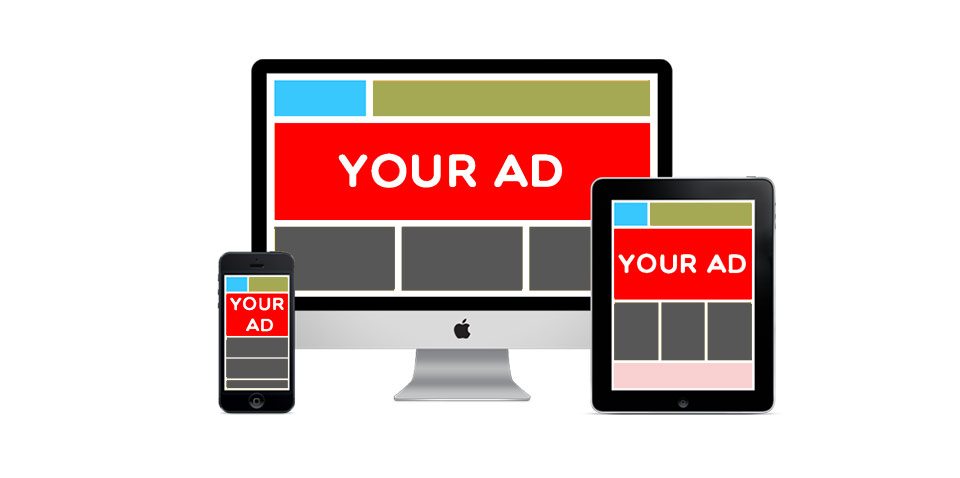
- Mobile and in-app ads that meet people on the device they use most. See our guide to mobile advertising in Dubai.
- Audio ads on music and podcast platforms.
- Connected TV on streaming services and smart TVs.
- Digital out-of-home, where programmatic now buys screen time on outdoor LED and digital signage.
Display and banner targeting options that move the needle
The value of programmatic is in the targeting. Getting the audience right is what separates a banner campaign that quietly burns budget from one that brings in enquiries. These are the options we use most for display and banner ads.
Life events
Life events let you reach people around important milestones, on YouTube and Gmail, such as graduating, moving home, or getting married. The reach is smaller than broad targeting, but the relevance is high. Someone who just moved is genuinely in the market for furniture, home services and internet plans, so an ad that speaks to that moment lands far better than a generic one.
Affinity and custom affinity audiences
Affinity audiences group people by their longer-term interests and habits, which is useful for brand awareness at scale. Custom affinity audiences go a step further: you define the audience yourself using interest keywords and the URLs of sites your ideal customer visits, so the reach stays broad but the message stays on target.
In-market audiences
In-market audiences are people actively researching and comparing products or services like yours right now. Their recent browsing shows real purchase intent, which makes this one of the strongest options for driving sales and for boosting the performance of your remarketing.
Custom segments
Custom segments let you reach buyers at the moment they are deciding. You build the audience from the keywords, URLs, apps and YouTube content your customers use while researching. Google folded the older custom intent and custom affinity audiences into custom segments, so if a proposal still offers you “custom intent”, it was written against a version of the platform that no longer exists.
Remarketing
Remarketing brings back people who already engaged with you: past visitors to your website, app users, video viewers, or people who shared their contact details. They already know your brand, so these ads tend to be the most cost-efficient part of a display campaign. You can read more about remarketing across our work.
A quick note on measurement. Whichever audiences you use, set up conversion tracking before you spend, so you can see which placements and audiences actually produce leads and sales, and move budget towards them.
How the buying actually works
Three pieces sit behind every impression, and knowing them is the difference between buying programmatic and being sold it.
- The DSP (demand-side platform). The software you buy through. It holds your budget, targeting and creative, and decides in real time which impressions to bid on.
- The exchange. The marketplace where publishers offer their ad space.
- RTB (real-time bidding). The auction itself. A page starts loading, the impression is offered, competing DSPs bid on it, and the winning ad renders. The whole thing finishes in well under a second, and it happens separately for every single impression.
That per-impression auction is the point. You are not buying a slot on a site for a month, you are deciding one viewer at a time whether this particular person, in this place, at this moment, is worth bidding on.
Open auction or private marketplace
- Open auction. The full open web at the lowest cost per thousand impressions. Widest reach, least control over where you appear.
- Private marketplace (PMP). An invitation-only deal with selected publishers at an agreed price. Costs more, and you know exactly which sites you are on.
- Programmatic guaranteed. Fixed inventory at a fixed price with a named publisher, bought through the same pipes. Closest to a traditional media buy.
For most UAE advertisers the sensible answer is both: open auction for reach and retargeting, a PMP for the premium placements where the environment matters to the brand.
The three controls that decide whether the money works
This is where programmatic campaigns quietly waste budget, and where an agency should be reporting to you without being asked.
- Viewability. An impression is only counted as viewable when enough of the ad is on screen for long enough. A campaign can serve a million impressions where a large share were never scrolled into view. Ask for the viewability rate, not just impressions delivered.
- Brand safety. Your ad can appear next to content you would never sponsor, because the buying is automated. Keyword and category exclusions, publisher blocklists and inclusion lists are what prevent it, and they need setting up before launch rather than after a complaint.
- Frequency capping. Without a cap, the same person sees your ad dozens of times, which stops working and starts irritating. Cap by person per day and per week. Rising frequency alongside falling performance is the clearest signal in display.
Add contextual targeting to that list. Placing ads by the subject matter of the page, rather than by tracking the individual, has become materially more useful as third-party cookies have degraded, and it sidesteps most of the privacy questions that follow audience targeting around.
Ask for placement and quality evidence
A programmatic report should show where ads appeared, viewability, frequency, invalid-traffic controls and conversions. A low CPM is not a saving if the inventory is never viewed or sends poor-quality traffic. Use inclusion lists for sensitive brands, exclude unsuitable apps and sites, and review placement reports throughout the campaign.
Audience and remarketing activity should follow the consent and privacy requirements that apply to the campaign and market. Collect only the data needed for the agreed purpose, and make sure the landing page explains how customer information will be used.
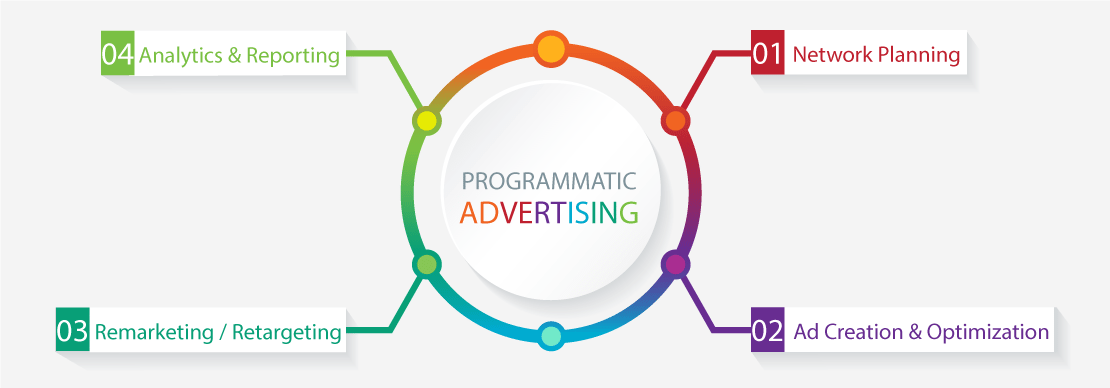
How we run a programmatic campaign
Our process is deliberately plain, because that is what keeps results predictable.
- Plan. We agree the goal, the audience and the networks that match it, then set budgets and the way we will measure success.
- Buy. We launch across the right formats and audiences, and connect conversion tracking so every dirham is accountable.
- Optimise. We read the performance data and shift spend towards the placements, creatives and audiences that work, and cut the ones that do not.
- Report. You get a clear read on what the campaign delivered against the goals we set, in plain language.
A good way to judge it is to run programmatic alongside your existing Google Ads and Facebook Ads, and compare the cost per result. We run campaigns for UAE and international audiences.
Why programmatic works for UAE businesses
Programmatic can help a smaller business buy useful reach without a very large media budget. Targeting may include location, interests, behaviour and device, but tighter targeting is not automatically better. Start with enough audience to learn, block poor-quality placements and check where the ads actually appeared. It can support the rest of your digital marketing. For help with the buying itself, see our media buying agency in Dubai.
For more details on programmatic advertising in Dubai, call +971 50 304 7470 or email Leads@leadsdubai.com.