Latest Google Ads changes & updates: what advertisers need to know this year
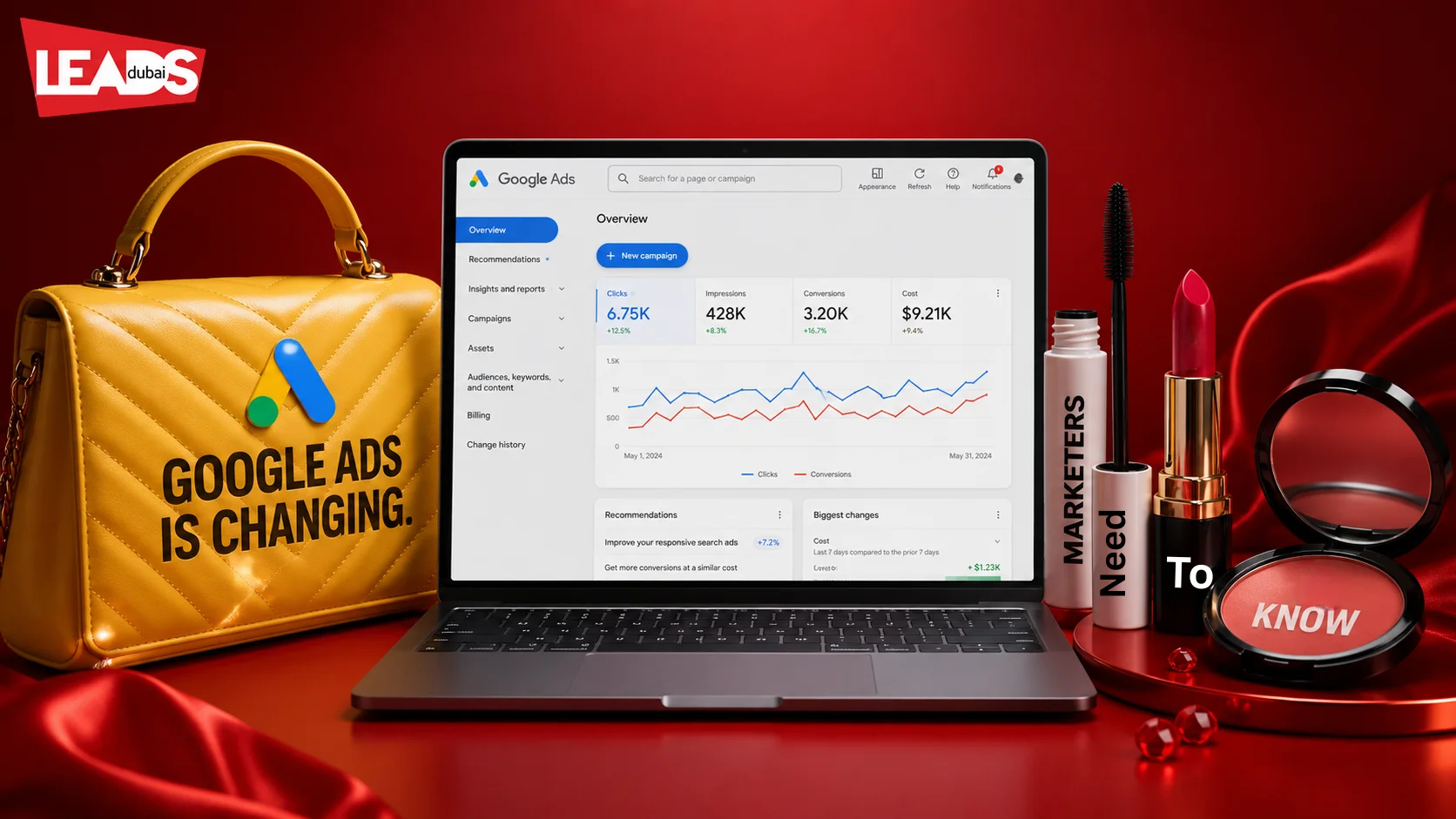
Short answer: the Google Ads changes that matter most now are AI-driven campaign types taking over, Performance Max and Demand Gen expanding, search shifting toward broad match paired with smart bidding, new metrics replacing legacy ones, and creative quality becoming a performance factor in its own right.
Google Ads continues to evolve rapidly, with automation, AI, and privacy-first advertising shaping how campaigns are created, optimized, and measured. What began years ago with interface changes and new ad formats has now matured into a fully AI-driven advertising ecosystem. Below is a refreshed overview of key Google Ads changes and updates advertisers should focus on this year, along with how they impact performance. If you run Google Ads in Dubai, these are the shifts that matter most.
Major Google Ads updates you should know about
1. AI-driven campaigns take center stage
Google is increasingly prioritizing automation across campaign types. Performance Max, Demand Gen, and AI-powered Search campaigns now dominate account structures. Key highlights:
- Automated bidding and budget allocation
- Asset-based ad creation instead of keyword-only ads
- Real-time optimization across Search, Display, YouTube, Discover, Gmail, and Maps
Advertisers who provide strong creative assets and conversion signals see the best results.
2. Expanded use of Performance Max & Demand Gen campaigns
Performance Max campaigns are no longer optional, they are central to scaling conversions. Demand Gen campaigns have replaced traditional Discovery ads and are designed for mid-funnel engagement using visually rich formats. Benefits:
- Wider reach across Google properties
- Better audience expansion using intent signals
- Improved conversion volume when paired with quality creatives
3. Search ads continue to shift toward broad match + smart bidding
Google now strongly encourages:
- Broad match keywords
- Smart bidding strategies like Maximize Conversions and Target ROAS
Exact match keywords still exist, but Google interprets them more flexibly based on intent rather than wording alone. Advertisers must rely more on search term analysis, negative keywords, and conversion quality.
4. New metrics replace legacy measurements
Older metrics like average position are long gone. Instead, advertisers now rely on:
- Search Top IS
- Search Absolute Top IS
- Impression Share Lost (Budget & Rank)
These metrics provide clearer insights into:
- Visibility above organic results
- Missed opportunities due to low budget or ad rank
- Where optimization is actually needed (quality vs spend)
5. Creative quality is now a ranking factor
Ad strength, asset variety, and creative relevance directly influence delivery. Best practices include:
- Multiple headlines and descriptions
- High-quality images and videos
- Clear CTAs and benefit-driven messaging
- Regular creative refreshes
Google now rewards advertisers who test frequently and maintain “Excellent” ad strength.
6. Video & YouTube ads are conversion-focused
YouTube is no longer just for awareness. With formats like:
- Video action campaigns
- Short-form vertical video
- Demand Gen video placements
Advertisers can now drive leads, purchases, and app installs directly from video campaigns on YouTube.
7. Privacy-first advertising & first-party data
With cookies fading and privacy regulations increasing, Google Ads now emphasizes:
- First-party data
- Enhanced conversions
- Consent Mode v2
- CRM and offline conversion uploads
Advertisers who integrate their data with Google Ads gain stronger attribution and smarter optimization.
What this means for advertisers
Google Ads today is less about manual control and more about:
- Strategic inputs
- High-quality creatives
- Accurate conversion tracking
- Strong landing page experience
Those who resist automation struggle. Those who guide it correctly scale faster and more profitably.
Final thoughts
Google Ads has transformed into an AI-driven performance engine. Staying competitive means adapting to automation, embracing new metrics, and focusing on creative excellence rather than outdated tactics. At Leads Dubai, we stay ahead of every Google Ads update, big or small, so our clients always benefit from the latest strategies, smarter targeting, and better ROI. Want help optimizing your Google Ads campaigns with the latest updates? Talk to our Google Ads experts in Dubai today.
Earlier changes still worth knowing
A few older shifts still shape how accounts are run today:
- Average position is gone. It was replaced by impression share metrics that show where your ads actually appear. Impr. (Top) % and Impr. (Abs. Top) % tell you how often you show above the organic results or at the very top, while Search Top IS and Search Absolute Top IS show the share of those spots you are winning. When you slip, the “impression share lost (budget)” and “impression share lost (rank)” columns tell you whether the fix is more budget or a better ad.
- Raising bids can backfire. Pushing bids to fix a low top impression share often makes it worse: higher bids enter your keywords into more auctions where they can lose even more top placements. Improving Quality Score is usually the safer lever.
- Exact match is looser. Google now matches on intent, not exact wording, so a strong negative keyword list matters more than ever.
- Budget pacing. Campaigns can spend up to twice the average daily budget on a busy day, balanced out to your monthly cap, so day-to-day spend varies.
We keep our team current with every Google Ads change and apply the ones that move results for client accounts. Talk to us about a review of your account.
Google Ads updates: common questions
The shift to AI-driven campaigns like Performance Max and Demand Gen, broad match paired with Smart Bidding, new visibility metrics that replaced average position, creative quality becoming a delivery factor, conversion-focused YouTube ads, and privacy-first measurement using first-party data and enhanced conversions.
No. Google retired average position. Advertisers now use Search Top IS, Search Absolute Top IS, and impression share lost to budget or rank to understand where their ads actually appear and what to fix.
Yes. Keywords still matter, but Google interprets them more flexibly by intent. The work shifts toward search term analysis, a strong negative keyword list, and feeding the system accurate conversion data so it optimises toward real leads.
With third-party cookies fading, Google Ads leans on first-party data, enhanced conversions, Consent Mode v2, and offline conversion uploads. Advertisers who connect their own data get stronger attribution and better automated optimisation.