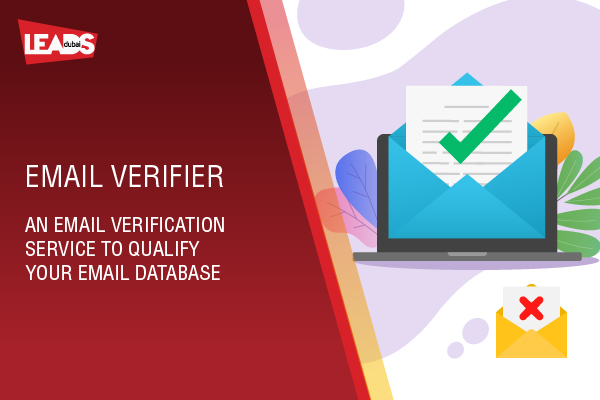
What is an email verifier - how to stop your emails from going to spam
Short answer: an email verifier checks whether an address is correctly formatted and likely to receive mail. It helps remove invalid and risky records before a campaign, but it cannot guarantee inbox placement or confirm that every person consented. Deliverability also depends on authentication, sender reputation and useful email content.
Importance of email database hygiene in your businessUsing an email verifier can help validate the email database. In other terms, we can say it helps in email validation. Email lists or email database hygiene is the most important and vital aspect that contributes to your success in email marketing campaigns. If your email subscribers list is not maintained well then this will not only impact your email marketing campaign performance but also would pose a great risk to your sending domain name in terms of its reputation as well as blacklisting.
What is email list database hygiene?
Email hygiene is a process where an entire list of email subscribers is subjected to verification for their validity and existence. Firstly the domains are checked for the valid MX records, then based on the response from the MX records the relevant email server is questioned for validation of the specified email address. Apart from these basic verifications, there are other verifications too that ensure the proper hygiene of the email subscriber.
Addresses become unusable when people change jobs, domains expire, inboxes close or data is entered incorrectly. Verify an older list before a large send and clean active lists regularly based on bounce and complaint data. There is no universal timetable that suits every database.
How does a poor email subscribers list impact my marketing campaign performance?
With poor email subscribers list hygiene practices you may end up with lots of hard bounces in your database, as a result of which the reputation of your email marketing platform IP address as well as your sending domain gets negative which directly is proportionate to the deliverability and therefore the response.
Hard bounces should be suppressed promptly. Review long-term inactive subscribers separately, because repeated sending to people who never engage can weaken campaign performance. An inactive subscriber is not automatically a spam trap.
Mailbox providers assess sending behaviour, authentication, complaints and engagement signals. Verification lowers avoidable bounces, but SPF, DKIM, DMARC, unsubscribe handling and relevant content still need to be set up properly.
Bulk email verifier - the process of email verifications
Email scrubbing is done in 3 layers
- Deduplication and regular expression checks for validation of syntax and format
- Verification of the domain part MX and DNS records for existence and correctness hence getting the validation of domains existence
- Check whether the receiving server appears able to accept mail for the address, while allowing for servers that do not disclose a reliable result
- Flag catch-all, role-based, disposable and other addresses that need a separate risk decision
- Export valid, invalid and risky groups with a reason for each status.
- Suppress invalid addresses and opt-outs before the list reaches the sending platform.
- Send only where you have a valid basis and monitor bounces, complaints and unsubscribes.
After verification, separate valid, invalid and risky addresses. Do not treat a technical “valid” result as permission to send. Keep the consent source, remove unsubscribed contacts and monitor bounce and complaint rates. Read more about improving your email marketing.
The cost of verification depends on list size, the checks required and how the cleaned records need to connect with your CRM or email platform. Ask for a scoped quote after confirming the source and condition of the data.
Talk to us about cleaning a customer list before a campaign, setting suppression rules and connecting verified records to a responsible email marketing process.