
How should a travel agency market itself online?
Short answer: start with the trips, visas or packages people are actively searching for. Use Google Ads and SEO to capture that demand, then use useful video and social content to build trust. Send every visitor to a fast page with dates, inclusions, exclusions and one clear enquiry or booking action.
Travel marketing is difficult when every destination page says the same thing. People want to know what is included, what it costs, which dates are available and why they should book through your agency.
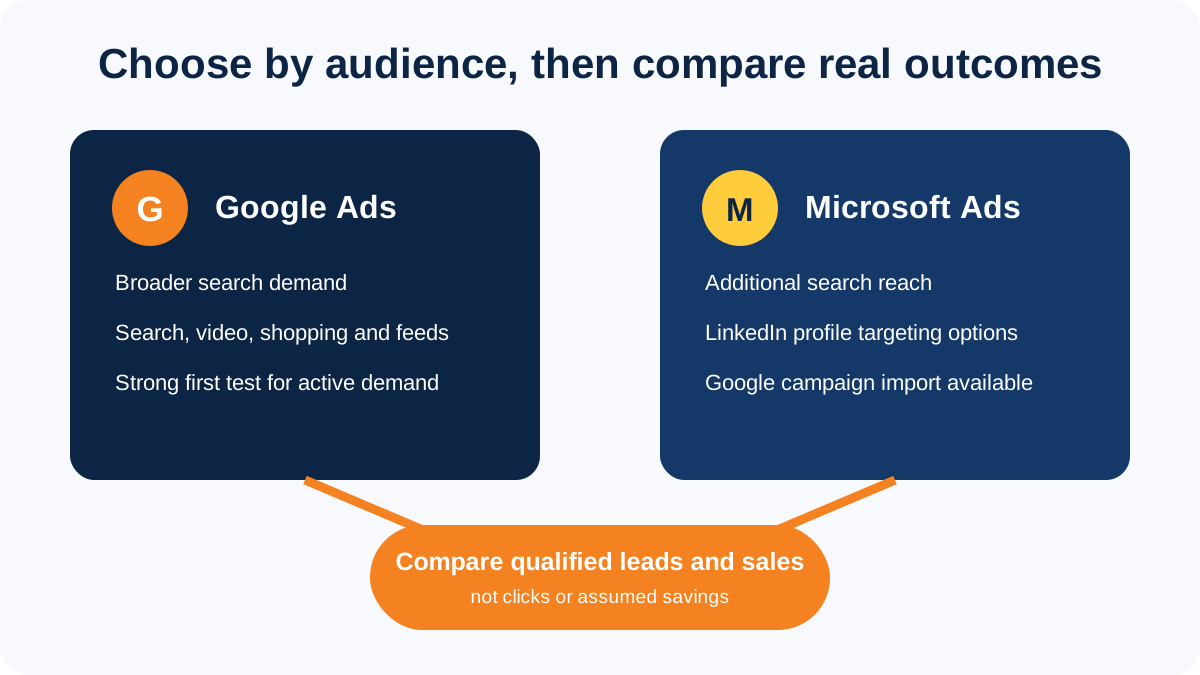
Match the channel to the traveller’s intent
| Channel | Best use | What to measure |
|---|---|---|
| Google Search Ads | People searching for a destination, visa or package now | Qualified enquiries, calls and booking value |
| SEO | Destination guides, visa questions and recurring searches | Non-brand clicks, enquiries and assisted bookings |
| Instagram, TikTok and YouTube | Showing the experience before someone commits | Useful views, saves, site visits and enquiries |
| Remarketing | Bringing back visitors who checked a package but did not enquire | Return visits and completed enquiries |
| Email and WhatsApp | Following up with consent and sharing relevant departures | Replies, bookings and unsubscribes |
Do not judge a travel campaign by cheap clicks. A lower-volume campaign that produces real passport-ready enquiries can be far more useful than thousands of casual visitors.
Build one strong page for each offer
A package page should answer the questions a salesperson hears every day:
- destination and travel dates
- price basis and what is included
- visa support, if offered
- hotel category and transport details
- cancellation or change conditions
- who the package suits
- the next step to check availability
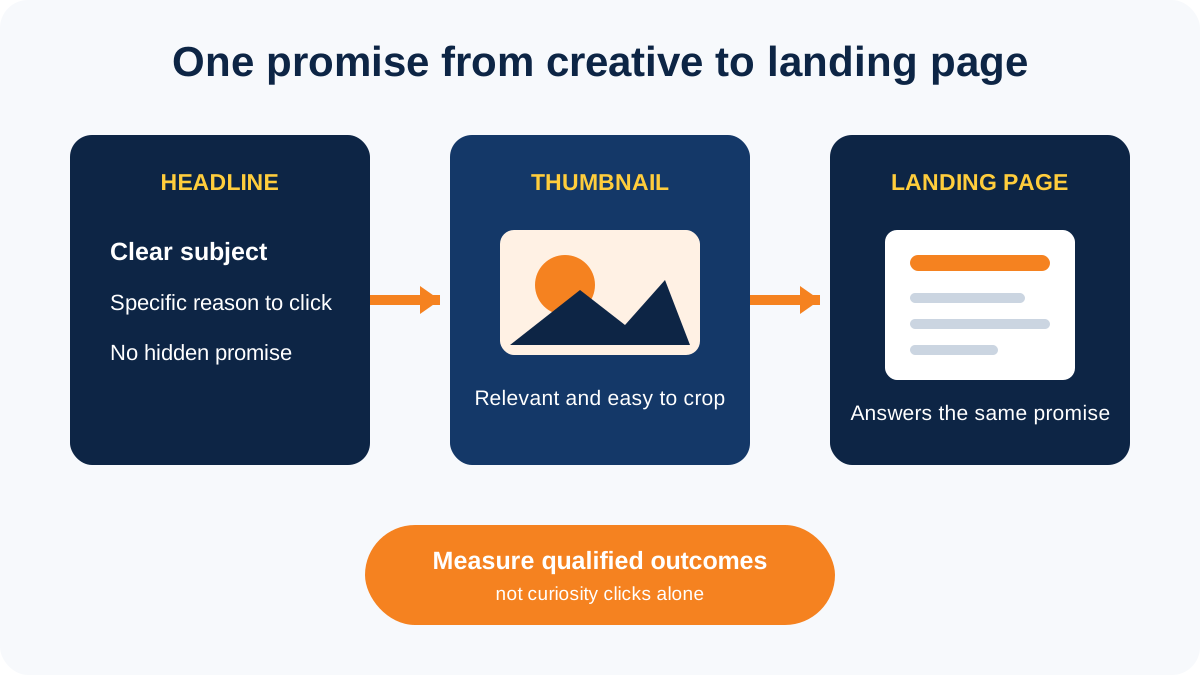
Use real destination photos and short videos from the actual itinerary where permission allows. Stock pictures may attract attention, but they can create the wrong expectation if the customer will not visit the place shown.
Plan around seasonality
Dubai travel demand changes around school holidays, Eid, summer travel, winter breaks and major events. Start search and social campaigns early enough for customers to compare options and arrange visas.
Keep a separate budget for late bookers. Their searches often carry higher intent, but the page must clearly show remaining dates and availability.
Track enquiries through to bookings
Form submissions and calls are only the first step. Record the destination, source, campaign and whether the enquiry became a booking. This shows which keywords and packages produce revenue, not simply leads.
For phone and WhatsApp enquiries, use a simple lead-status process such as new, contacted, qualified, quoted, booked and lost. Feed the booking outcome back into campaign decisions.
A practical 90-day travel marketing plan
Weeks 1 to 2: review tracking, package pages, search demand and past booking data. Fix weak pages before increasing spend.
Weeks 3 to 6: launch focused search campaigns for the strongest offers. Create short videos and remarketing audiences from genuine page visitors.
Weeks 7 to 12: compare lead quality and booking value by campaign. Move budget toward destinations and audiences that produce qualified enquiries.
Leads Dubai can help with Google Ads management, SEO and conversion-focused travel landing pages.