
What are the top 10 ways to increase sales and win new business
Short answer: to increase sales and win new business, sharpen your offer, follow up leads fast, ask for referrals and reviews, upsell existing customers, and keep a full pipeline through consistent marketing. People still buy from people, so relationships and speed matter as much as the product.
People still buy from people. In most industries (ecommerce aside) the final push to a sale comes down to trust, and buyers decide on the same things they always have: how does this benefit me, and do I believe the person selling it. Put your customer at the centre and give them what they actually want. Here are ten ways to increase sales that we see working for businesses across Dubai and the UAE.
Tip #1: Prospect every day
Top salespeople spend part of every day setting meetings for potential new business. It is a habit, not a campaign. A little prospecting daily beats a frantic push at the end of a slow month.
Tip #2: Be and sound confident
People buy from confident people. A full pipeline is the easiest way to feel confident, but make sure you also sound it, especially in the phrasing you use on calls and in email.
Tip #3: Sell meetings, not products
Avoid talking too much about your products and services. Impress your prospect with insight, not jargon and industry lingo. Prospecting works when your contact agrees to a short meeting. In that meeting you learn more about them and earn more of their trust.
Tip #4: Focus on customers
Your prospects want to hear how you solve their business problems. The quicker you get to the point, the better. Practise explaining your services in a way that gets straight to the benefit.
Example call: “I called to tell you about some new ideas that might help you grow your sales. We just finished a successful campaign with a similar business and they got some good results. Would you like to see how we did it?”
Tip #5: Use email properly
Set up your email follow-ups, and always end an email with a question. A question invites a reply; a statement invites silence.
Tip #6: Send at the right time
Send emails and proposals when the prospect is most likely to read and respond, not whenever it suits you. A well-timed message gets opened.
Tip #7: Ask for referrals
Ask who else could benefit from your services, including contacts in other industries. Referrals are often the most pre-qualified leads you will get, and the most likely to buy.
Tip #8: Sell to the right people
It is business and it has costs. Spend your time with prospects who can afford the outcome you deliver, not with anyone who simply wants a cheaper price.
Tip #9: Don’t cut price, raise value
Recap the benefits and the pain your service solves. When the value is clear, price becomes a smaller part of the conversation.
Tip #10: Be enthusiastic
Energy is contagious. If you are genuinely excited about helping a prospect, they feel it.
A few habits tie all ten together:
- Be systematic. Build a daily prospecting routine and track your productivity.
- Aim for the meeting first. The sale itself comes later.
- Know what your prospect cares about, and lead with how you help them.
Turn more enquiries into customers
Getting the enquiry is only the beginning. The handover between marketing and sales is where many businesses lose otherwise good prospects.
- Reply while the enquiry is fresh. Confirm that it has been received, then make personal contact quickly. Record the first-response time in your CRM.
- Qualify before presenting. Ask what the buyer needs, when they need it, who will approve it and what result matters. A relevant proposal is easier to understand and easier to approve.
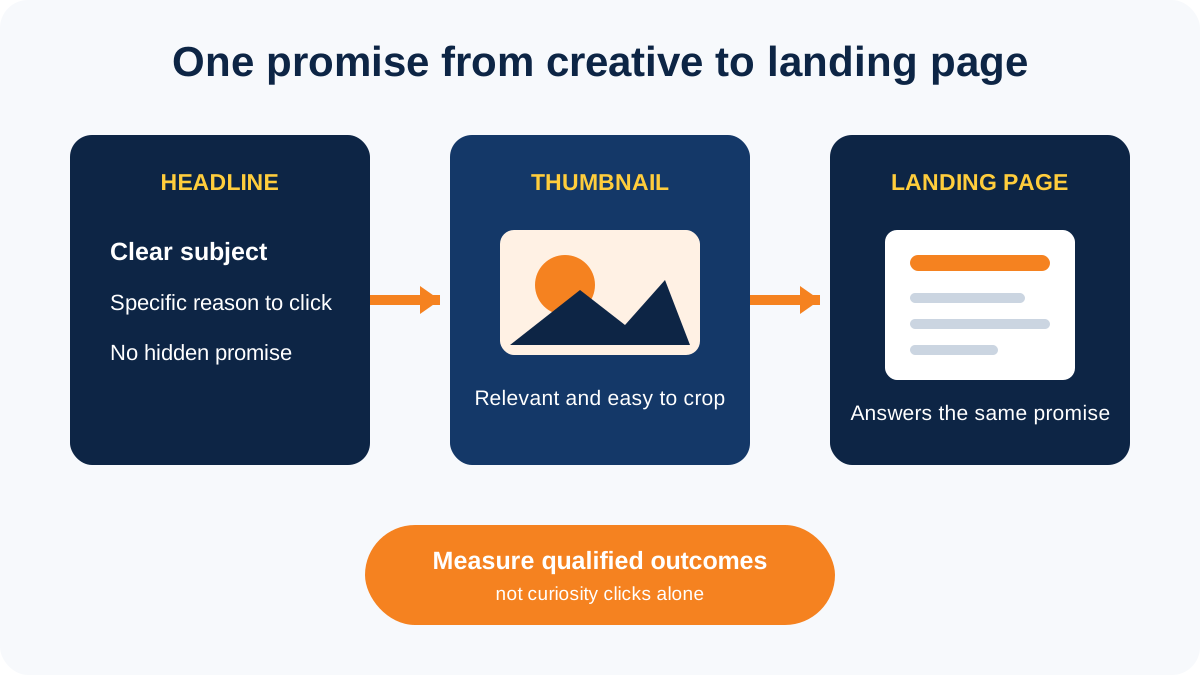
- Keep the promise consistent. The call, proposal and follow-up should match the benefit stated in the advert or landing page. Changing the message creates doubt.
- Plan the follow-up. One unanswered call does not mean the buyer is not interested. Agree the next step, give each follow-up a useful reason and stop when the prospect asks you to.
- Track the real outcome. Separate uncontactable leads, unsuitable enquiries, proposals and won sales. This shows whether the problem is lead quality, response speed or the sales conversation.
For businesses receiving regular enquiries, a simple CRM workflow can assign the lead, schedule the next action and show which marketing sources produce paying customers. Automation should support the salesperson, not replace a useful conversation.
Make a strong first impression in client meetings

Before any technique works, you have to make a good impression. How do clients perceive you? Strong and prepared, or unsure? Whether you are meeting a new prospect or cross-selling to an existing client, the first few minutes set the tone, and your likability and authenticity feed straight into the sale.
Greet with a smile. A friendly smile lifts the client’s mood and signals that you are glad to be there and ready to take their business further.
Dress for the room. Formal or smart-casual tells the client you take the work as seriously as they do. However good your ideas are, turning up under-dressed can throw the meeting off before you start.
Open with light small talk. There is no need to rush into business. Ask how their day is going or how they got started. A relaxed opening makes the rest of the conversation easier.
Offer something. If a client visits your office, offer a drink and somewhere comfortable to sit. Small courtesies build the relationship more than people expect.
Shake hands with confidence. A firm handshake says you are sure of yourself. Offer your hand first, and keep the grip friendly rather than crushing.
Handle questions calmly. If you do not know an answer, never bluff and never say “I’m not sure” and leave it there. Say “I will look into it and come back to you,” and then do.
Research their company first. Know their products, their market and their background before you walk in. You would not pitch a UAE business the same way you would pitch one in South America, so come prepared with relevant ideas.
Bring proof. Show results you delivered for similar clients. “Here is something we did for another business, and these were the results” turns a pitch into evidence and makes you instantly more credible.
Quick digital marketing actions that increase sales fast

Not every business can wait for the long game. Sometimes you need results sooner, and a few digital marketing actions bring leads quickly while your longer-term work builds in the background.
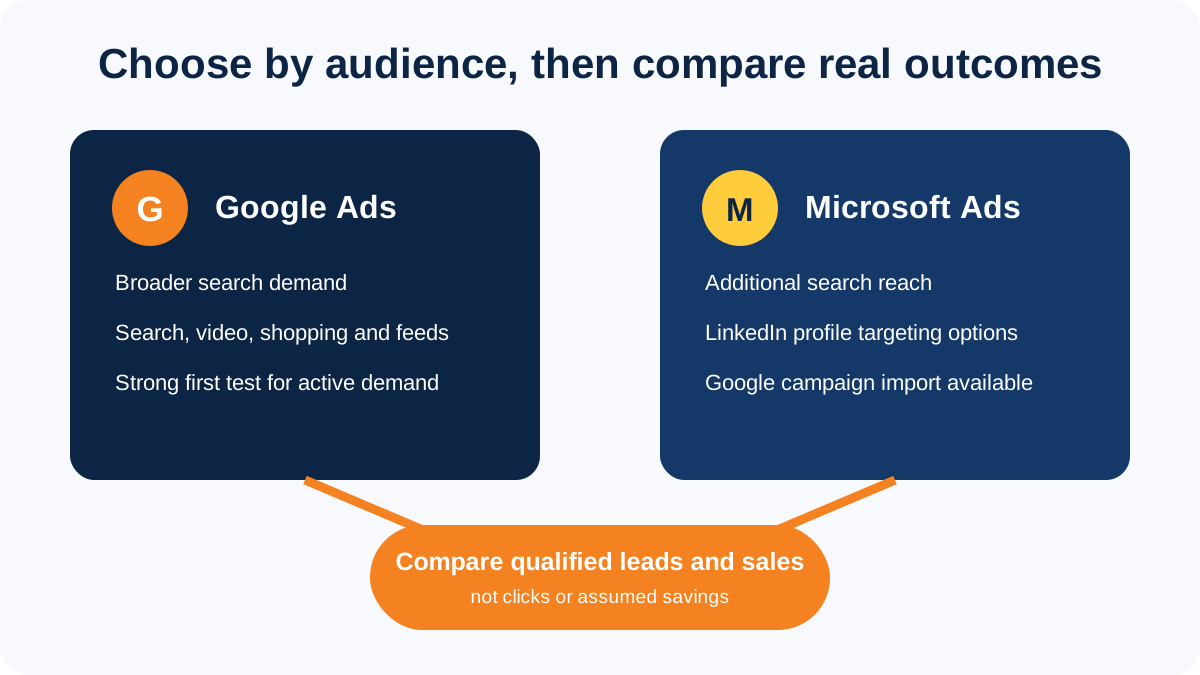
Run a Google Ads campaign. Set a maximum daily budget and pay only for clicks. The cost per click depends on competition for your keywords, but you stay in control of the spend. A managed Google Ads campaign can start sending qualified visitors the same week it goes live.
Run a targeted Facebook or Instagram campaign. Organic posts reach very few people now. Put budget behind a Facebook or Instagram ad aimed at the right audience and your reach climbs quickly, with traffic you can actually measure.
Keep the long game running too. Quick wins cost more per sale if they are all you do. Invest in SEO (usually six months or more to compound), build an email list, and set up remarketing so paid traffic you already paid for keeps working. Short-term-only thinking wastes the visitors that better planning would have captured and converted later.
So which of these ways to increase sales got your attention? We help you with lead generation, and we can run the quick-win campaigns above for you. The selling itself still happens at your end. Tell us your goals and call us at +971 50 304 7470.