 Training guide
SEO for E-commerce: What Actually Moves Sales
The SEO problems specific to online stores: product and category pages, faceted navigation, duplicate descriptions, out-of-stock URLs, and what to fix first.
Why e-commerce SEO needs its own workflow
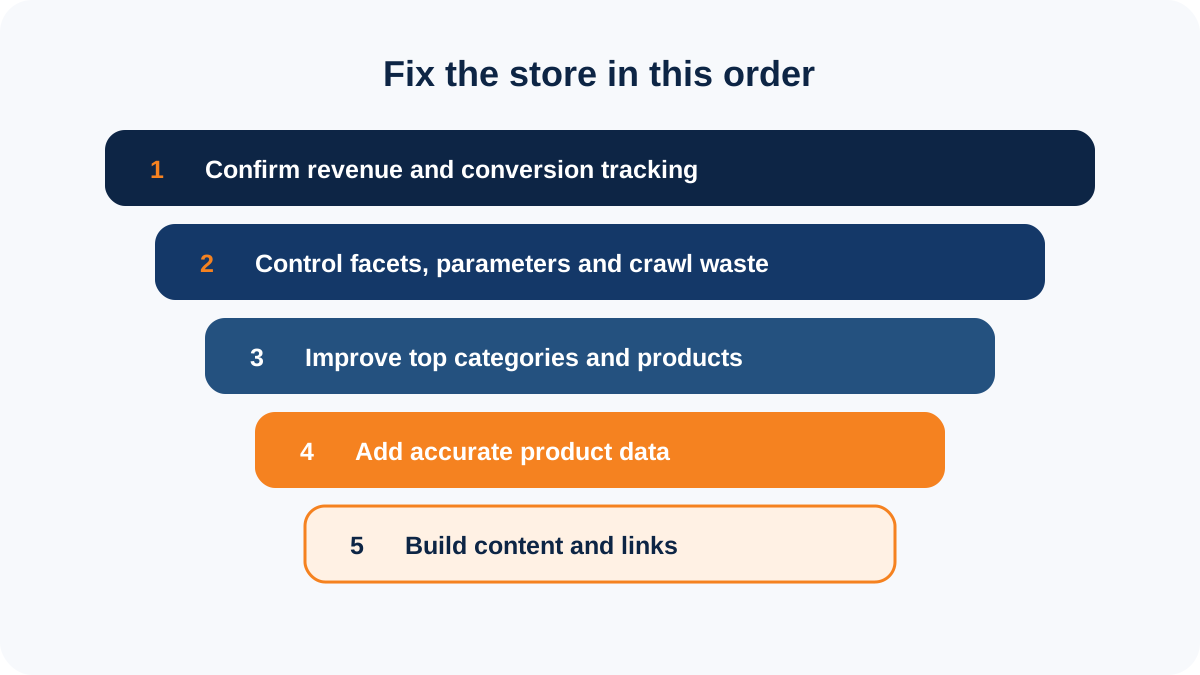
In short: e-commerce SEO fails on things most SEO advice never mentions: manufacturer product descriptions everybody else also uses, faceted navigation generating thousands of crawlable URLs, deleted out-of-stock pages, and thin category pages. Fix tracking first, then crawl waste, then your top twenty pages by revenue rather than by traffic.
An online store may have thousands of product, category, filter and search URLs. The main job is not adding keywords to every page. It is deciding which pages deserve to be indexed, making products discoverable through links, and keeping price and availability accurate wherever Google reads them.
The problems to fix first
- Measurement. Confirm purchases, revenue, leads and important checkout steps are recorded correctly before judging SEO work.
- Crawlable site structure. Link from categories to subcategories and products. Googlebot generally follows links and does not search a store like a customer.
- Faceted navigation. Size, colour, brand and price filters can create huge numbers of low-value URLs. Decide which combinations have search demand and control the rest.
- Commercial pages. Improve the categories and products that matter to revenue before producing another batch of general blog posts.
- Product data. Keep price, currency, availability and identifiers consistent between visible content, structured data and feeds.
Product pages and category pages have different jobs
A product page should answer the questions needed to buy that item: specification, fit, dimensions, delivery, returns, availability and differences from nearby options. A category page should help someone compare a group of products. Give each category a clear title, useful introduction, filters and links to the products it contains.
Manufacturer descriptions are useful source material, but copying them unchanged gives a searcher no reason to choose your page over every other seller. Add original photography, measurements, compatibility notes, local delivery information, staff experience and customer questions where these are accurate.
Handle variants and out-of-stock products deliberately
Variants can live on one product URL when the core item is the same. If each variant needs a separate URL, define canonical and indexing rules instead of letting the platform decide by accident. Keep a temporarily unavailable product page live with honest stock information. For a permanently discontinued item, keep a useful page when demand remains or redirect to the closest true replacement. Do not send every discontinued product to the homepage.
Structured data and Merchant Center
Product structured data can make a page eligible for product information in search, including price and availability. A Merchant Center feed gives Google another source of product data. Google recommends using both where possible, but eligibility does not guarantee a rich result and markup cannot correct inaccurate visible information.
What useful e-commerce SEO training should teach
- Map transactional queries to products and broader commercial queries to categories.
- Crawl a store and separate indexable pages from crawl waste.
- Write useful product and category copy without keyword stuffing.
- Check canonicals, pagination, internal search and faceted URLs.
- Validate product markup and feed consistency.
- Use Search Console and analytics to prioritise work by commercial value.
Leads Dubai SEO training works on a live site rather than a generic demo. The paid course runs within one week, includes 10 taught hours and is available in Dubai or live online. Fees start from AED 3,000 per person.
FAQs
What is the most important part of e-commerce SEO?
There is no single factor. Start with accurate measurement and a crawlable structure, then control duplicate or filtered URLs and improve the product and category pages tied to revenue.
How long does e-commerce SEO take?
Technical fixes may be crawled within days or weeks, while meaningful gains from page improvements and authority often take months. Timing depends on the store’s history, competition, crawl frequency and the size of the change. No responsible provider can guarantee a date or ranking.
Can an e-commerce team manage SEO in-house?
Yes, if someone owns the work and can change the platform, content and measurement setup. Training is especially useful because merchandising, development and marketing decisions all affect the same URLs.