 Training guide
Content Marketing Strategies for Business Success
A seven-step content marketing strategy, what is changing in the discipline right now, and where AI genuinely helps without breaching Google spam policy.
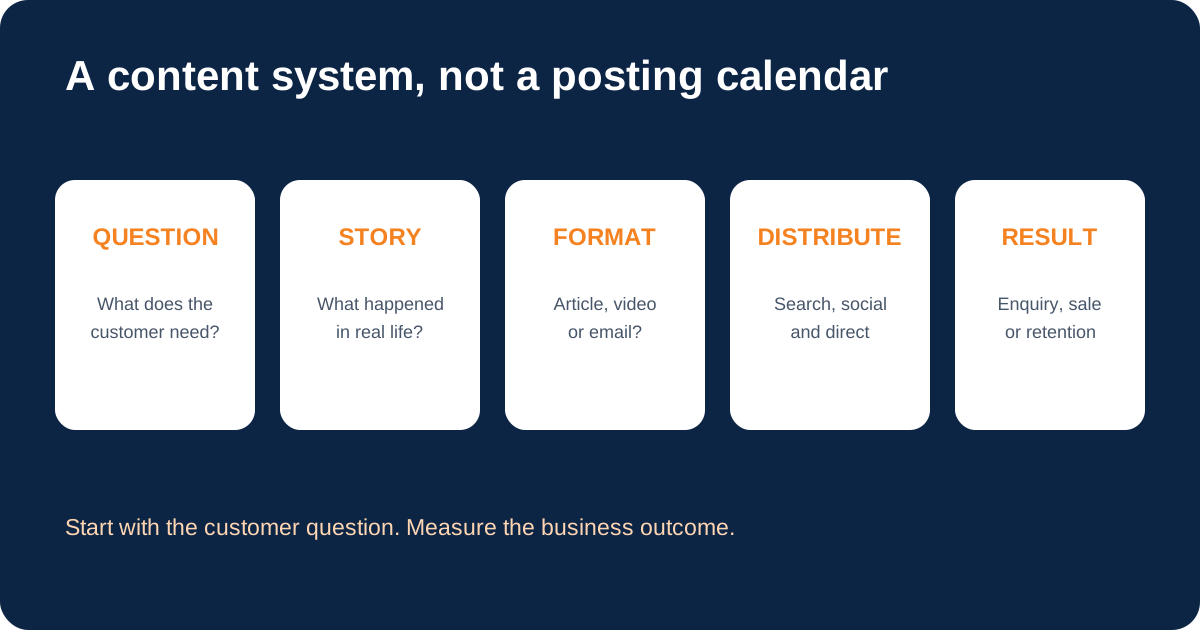
A content strategy is a system, not a publishing calendar
In short: a content marketing strategy is seven steps: define the audience, set a measurable goal, create content worth reading, optimise it for search, use more than one format, promote it properly, then measure and iterate. The step most often skipped is promotion, which is why good content sits unread.
A useful content marketing strategy decides who the business needs to help, which customer decisions deserve content, what evidence the company can add, how each asset will reach people and how success will be measured. A calendar comes later. Publishing every week without those decisions creates activity rather than demand.
1. Choose the audience and business outcome
Name the buyer, situation and next action. “UAE small businesses” is too broad. “Dubai clinic managers comparing patient-acquisition channels before setting next quarter’s budget” is specific enough to guide examples, format and distribution. Choose one main outcome such as qualified enquiries, sales conversations, retention or assisted revenue.
2. Map the questions across the buying decision
- Problem recognition: what is happening and why does it matter?
- Approach comparison: which options exist and when does each fit?
- Provider evaluation: what should the buyer check before choosing?
- Action: what does the service include, cost and require?
- After purchase: how does the customer use it successfully?
3. Decide what original value the business can contribute
Useful original value may be a real process, anonymised case evidence, local pricing context, a calculation, a named expert’s decision framework or an image produced from first-hand work. Google’s current guidance for AI search emphasises valuable, non-commodity content rather than special AEO tricks. See its generative AI search guidance.
4. Give every topic one owner and one page
Assign a keeper URL for each search intent so several thin articles do not compete for the same purpose. Name the subject expert, writer, reviewer and publication owner. The brief should state the audience, funnel stage, sources, factual boundaries, internal links, required evidence and claims that cannot be made.
5. Plan distribution before production
A search guide, sales email, LinkedIn post and short video can come from the same evidence, but each needs its own opening and next action. Decide where the intended audience already pays attention. Repurpose the idea, not a block of identical copy pasted into every channel.
6. Measure the outcome each asset was built for
Search content may first earn impressions and qualified visits. A comparison page should assist enquiries. Customer education may reduce support work or improve retention. Record the publication date, distribution and intended metric, then connect content to CRM outcomes where possible. Do not claim that one page caused a sale when the evidence only shows it was viewed.
7. Refresh, merge or retire deliberately
Review content when facts change, the page loses visibility, several URLs overlap or the business can add better evidence. Improve a useful keeper, merge valuable missing material into it and redirect redundant URLs. Keep a record so editors and SEO staff do not repeat the same work.
A compact content brief
- Objective, exact audience, funnel stage and intended action.
- Search intent, result-page findings and competitor coverage gaps.
- Primary sources, original evidence and named subject expert.
- Required sections, visuals, internal links and relevant entities.
- Unsupported claims that must not appear.
- Fact-check, editorial and SEO owners.
- Success metric and review trigger.
Our content marketing training in Dubai applies this system to practical work. The paid course runs within one week, includes 10 taught hours and is available in Dubai or live online. Fees start from AED 3,000 per person.
FAQs
What is the first step in a content marketing strategy?
Define the audience, situation and business outcome. Without that decision, topic research and a content calendar have no reliable way to prioritise.
How often should a business publish content?
Use a pace the team can support with evidence, review and distribution. One strong asset that answers an important customer decision can outperform frequent generic posts.
How should content marketing ROI be measured?
Match the metric to the asset’s job, then connect visits and enquiries to CRM outcomes where possible. Use assisted-conversion evidence carefully and state attribution limits instead of assigning every sale to the last page viewed.